“Sapiens: A Brief History of Humankind” by Yuval Noah Harari
Here is a summary of the book “Sapiens: A Brief History of Humankind” by Yuval Noah Harari:
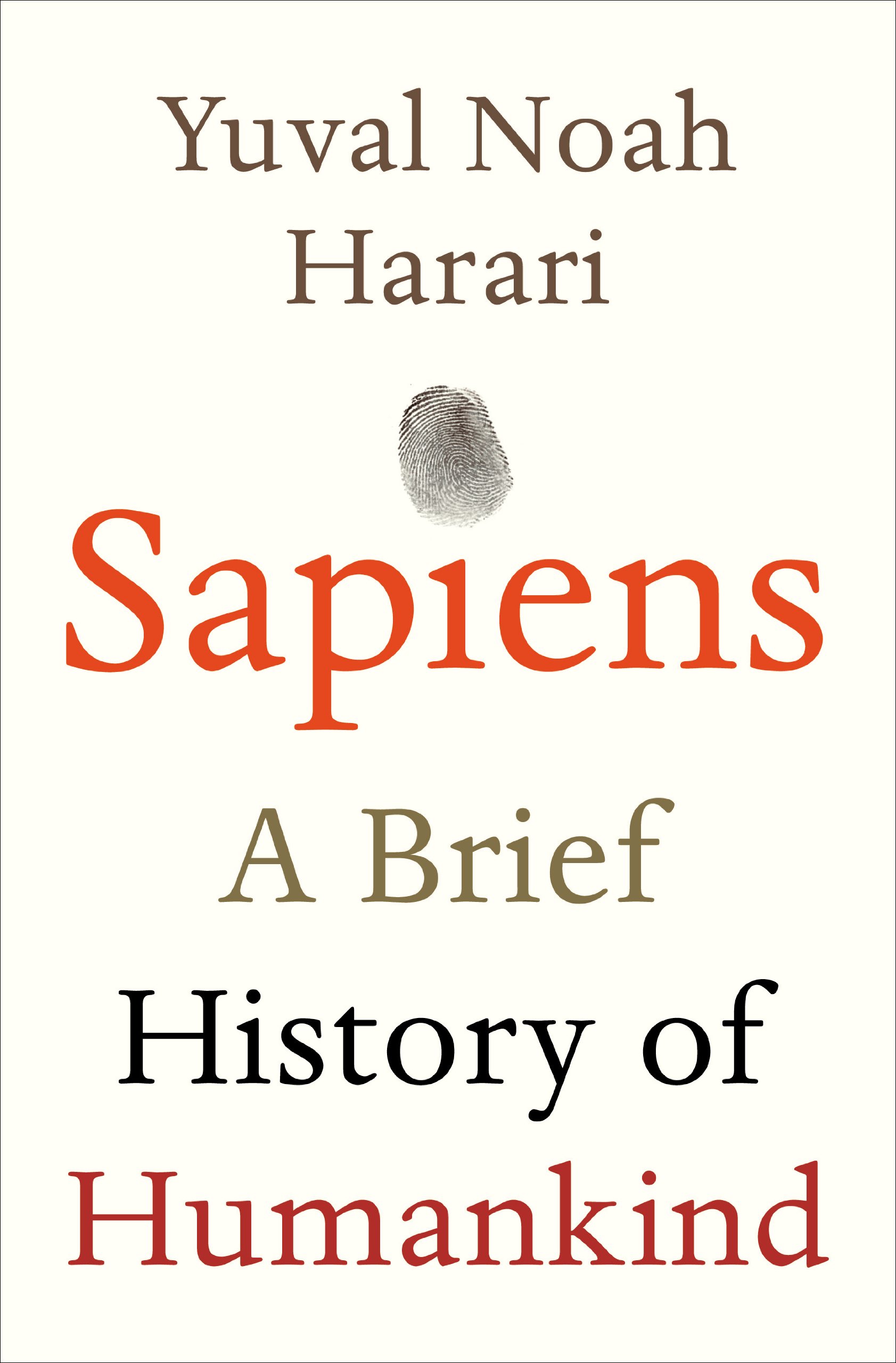
Sapiens: A Brief History of Humankind - Unraveling the Tapestry of Human Existence
Introduction
Table of Contents
1. The Dawn of Homo Sapiens
- The Emergence of Anatomically Modern Humans
- Cognitive Revolution: The Birth of Language and Imagination
2. Forging Our Path: The Agricultural Revolution
- The Transition from Hunter-Gatherer Societies
- The Impact of Agriculture on Human Society
3. The Rise and Fall of Empires
- The Birth of Cities and Civilizations
- The Power Dynamics of Empires
4. The Scientific Revolution and its Implications
- The Birth of Modern Science
- The Shifting Paradigms of Knowledge
5. From Industrialization to the Information Age
- The Transformative Impact of Industrialization
- The Digital Revolution and the Rise of Information Technology
6. A Glimpse into the Future
- Technological Advancements and Their Consequences
- The Evolution of Homo Sapiens: What Lies Ahead?
The Dawn of Homo Sapiens
The Emergence of Anatomically Modern Humans
At the heart of our evolutionary history lies the emergence of Homo sapiens as the dominant species on Earth. Harari explores the fascinating journey from our ancient ancestors to the remarkable beings we are today. Uncover the mysteries of our biological development and the distinguishing features that set us apart from other species.
Cognitive Revolution: The Birth of Language and Imagination
One of the pivotal moments in human history was the cognitive revolution. Harari illuminates the significance of our ability to communicate through language and imagine abstract concepts. Discover how these unique cognitive abilities propelled us towards the zenith of intellectual evolution and shaped the course of human civilization.
Forging Our Path: The Agricultural Revolution
The Transition from Hunter-Gatherer Societies
The transition from nomadic hunter-gatherer lifestyles to settled agricultural communities was a monumental turning point in human history. Dive into the complexities of this transformation and unravel the intricate relationship between humans and their environment. Explore the consequences of agriculture on our social structures, economy, and worldview.
The Impact of Agriculture on Human Society
Agriculture revolutionized the way we live, marking the beginning of profound societal changes. Harari delves into the effects of agriculture on human population growth, societal hierarchies, and the rise of complex civilizations. Unearth the challenges and benefits brought about by this revolutionary shift in our mode of subsistence.
The Rise and Fall of Empires
The Birth of Cities and Civilizations
Cities and civilizations have shaped the course of human history, leaving an indelible mark on our collective narrative. Harari takes us on a journey through time, exploring the birth of cities and the rise of great civilizations. Learn about the cultural, political, and economic dynamics that propelled humanity into an era of unprecedented growth and expansion.
The Power Dynamics of Empires
Empires have risen and fallen throughout history, leaving lasting legacies and reshaping the geopolitical landscape. Delve into the complexities of imperial power and the interplay between conquerors and the conquered. Gain insights into the factors that determine the fate of empires and their enduring impact on subsequent generations.
The Scientific Revolution and its Implications
The Birth of Modern Science
The scientific revolution marked a paradigm shift in our understanding of the world and our place in it. Harari explores the key milestones and influential figures that paved the way for modern scientific inquiry. Discover how the scientific method transformed human knowledge and challenged long-held beliefs and dogmas.
The Shifting Paradigms of Knowledge
As science advanced, so did our understanding of the universe and ourselves. Harari examines the impact of scientific discoveries on various disciplines, including biology, physics, and psychology. Witness the continual evolution of knowledge and the ongoing quest for answers to the fundamental questions of our existence.
From Industrialization to the Information Age
The Transformative Impact of Industrialization
Industrialization revolutionized human society, ushering in an era of technological progress and societal transformation. Explore the consequences of the Industrial Revolution on our economy, urbanization, and way of life. Examine the benefits and drawbacks of this profound shift that propelled us into a new age of human history.
The Digital Revolution and the Rise of Information Technology
The advent of the digital revolution and the rise of information technology have reshaped our world in unprecedented ways. Harari sheds light on the transformative power of technology, from the internet to artificial intelligence. Reflect on the challenges and opportunities presented by this interconnected digital landscape.
A Glimpse into the Future
Technological Advancements and Their Consequences
In this thought-provoking section, Harari delves into the potential implications of emerging technologies. From genetic engineering to nanotechnology, he explores how these advancements might reshape our bodies, minds, and societies. Prepare to contemplate the ethical and societal dilemmas that lie ahead as we navigate the uncharted waters of scientific progress.
The Evolution of Homo Sapiens: What Lies Ahead?
As we stand at the crossroads of our species' journey, Harari invites us to ponder the future trajectory of Homo sapiens. What will our world look like in the coming decades and centuries? Explore the possibilities of human augmentation, space exploration, and the potential challenges that lie ahead. The future awaits, and our choices today will shape the destiny of generations to come.
Conclusion
"Sapiens: A Brief History of Humankind" offers a captivating exploration of our species' extraordinary journey. From the ancient origins of Homo sapiens to the frontiers of scientific discovery, Yuval Noah Harari weaves together a tapestry of knowledge that enlightens and challenges our understanding of ourselves and the world around us. Let us embark on this intellectual odyssey, inspired by the wisdom and insights of one of the most thought-provoking books of our time.
Frequently Asked Questions (FAQs)
1. Why is "Sapiens: A Brief History of Humankind" considered a significant book?
"Sapiens" is widely regarded as a significant book due to its sweeping scope and insightful analysis of human history. It offers a thought-provoking perspective on our origins, the development of civilizations, and the challenges and possibilities that lie ahead.
2. Can I enjoy "Sapiens" even if I'm not well-versed in history or anthropology?
Absolutely! Harari's writing style is engaging and accessible, making complex concepts understandable to readers with varying levels of knowledge. "Sapiens" is a book that can captivate both history enthusiasts and those seeking a deeper understanding of the human story.
3. Does "Sapiens" focus solely on the past, or does it also contemplate the future?
While "Sapiens" primarily explores the past, it also delves into the potential future of humanity. Harari encourages readers to reflect on the trajectory of Homo sapiens and the implications of emerging technologies, stimulating discussions about what lies ahead.
4. Is "Sapiens" a scholarly work or more of a popular science book?
"Sapiens" falls into the genre of popular science, making complex ideas accessible to a broader audience. While it draws upon scholarly research, it is written in a narrative style that engages readers with personal anecdotes, analogies, and thought-provoking ideas.
5. How can "Sapiens" influence our perspective on the present and future?
By illuminating the intricate threads of human history, "Sapiens" invites us to reflect on our present circumstances and contemplate the choices we make as a species. It encourages us to consider the impact of our actions and the potential paths we can take as we navigate the challenges and opportunities of the future.


Comments
Post a Comment